Why game science matters beyond the club room
Chess is not a vague ‘general intelligence’ test: it couples memory, perception, calculation, and decision-making under constraints. Labs have used it for decades, from de Groot’s pioneering work to modern neuroimaging. The practical question for you isn’t whether your fusiform gyrus lights up on a slide; it’s which capacities you truly train, and which claims in popular discourse wildly overshoot the evidence.
This section separates robust findings from neuromyth and hype. A modest but careful study can matter more than a viral anecdote. Our lens is methodological: sample, task, measures, limitations. You’ll find summaries tied to practice: chunking, cognitive load, time pressure, decision fatigue, explained without pretending neuroscience hands out guaranteed rating gains.
Expertise, memory, and the limits of transfer
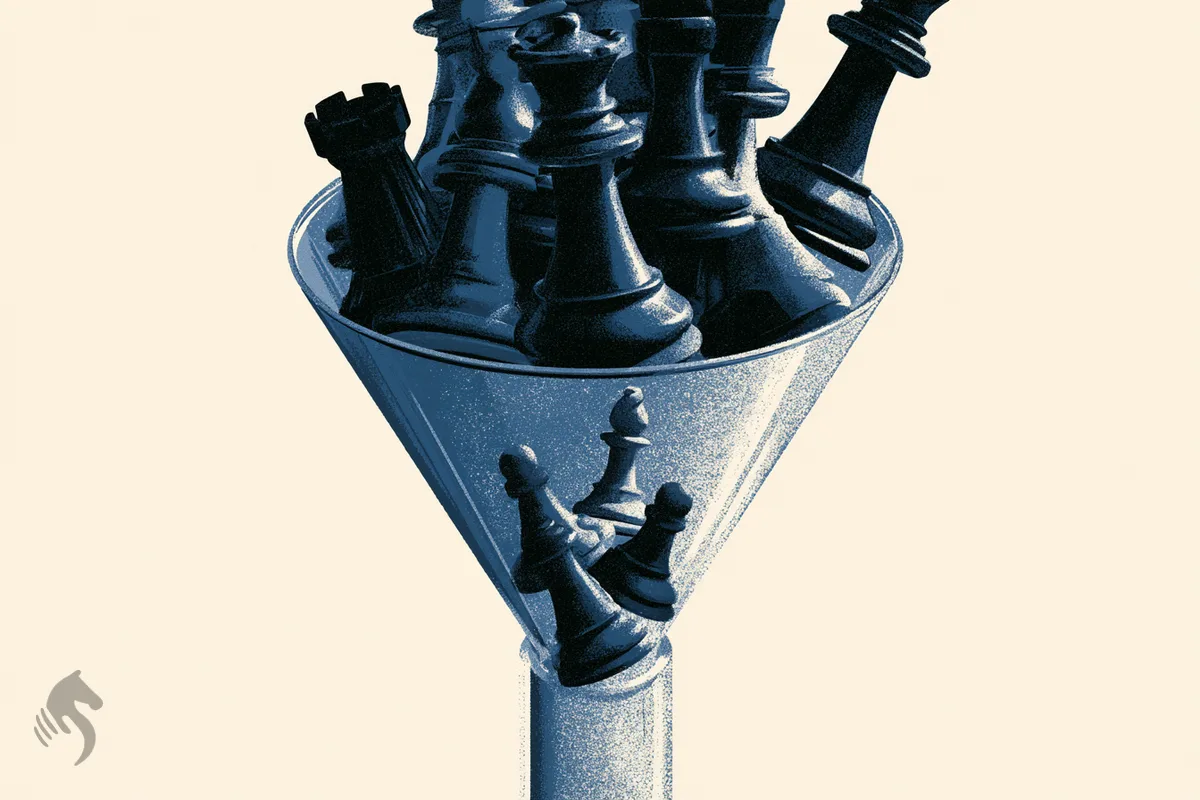
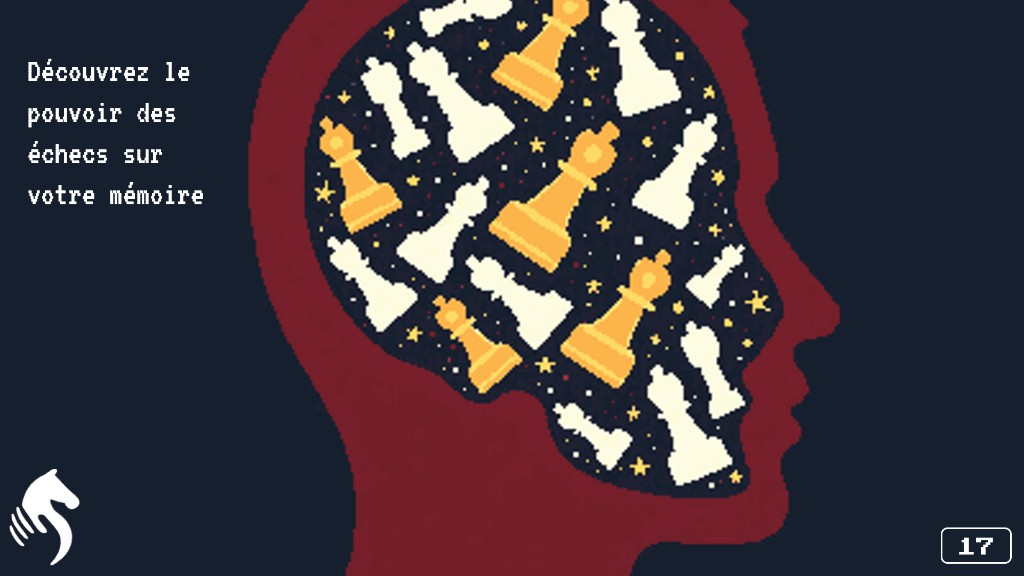
Strong players don’t remember random piece soups better than weaker players; they recognize meaningful chunks that collapse dozens of details into a few mental objects. Classic demonstrations, real games versus shuffled positions, aren’t magic tricks; they reveal structured long-term memory at work.
Automatic spill-over to non-chess life is often narrow or weak: calculating variants doesn’t silently turn you into a planning superhero outside the board. Meta-analytic work in the field warns precisely against that fantasy. We focus on what plausibly transfers: attentional habits, error management, discipline of analysis, and what remains domain-specific.
Brains in the data, results in context
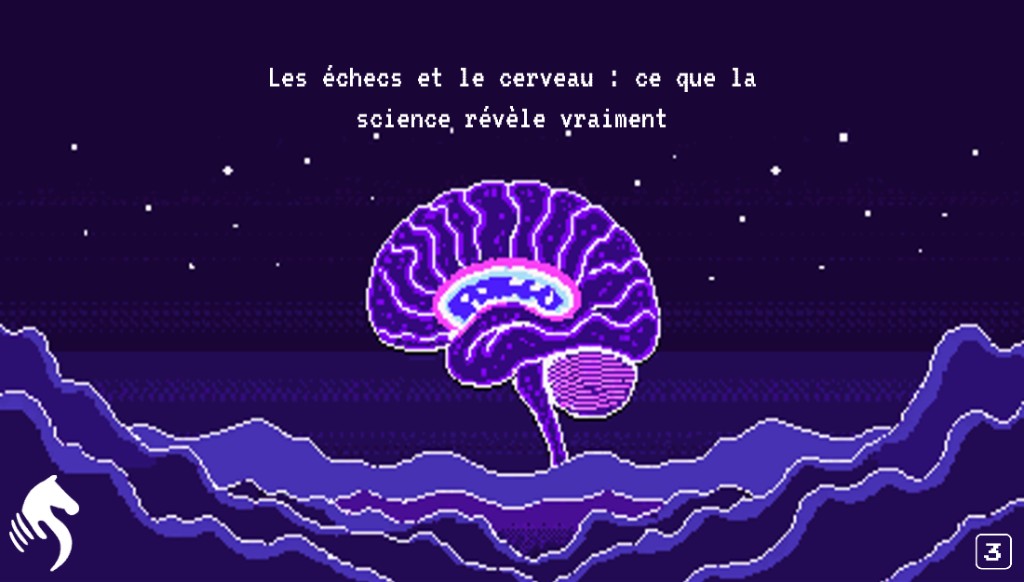
Imaging and longitudinal research enrich our map of expertise-related brain features, but they don’t erase individual differences. Correlational structure doesn’t mean destiny; it often tracks years of intense practice within a specific social context. We translate results into training questions: what are you really rehearsing with tactics, endgames, and opening models? When does a session stop being productive, and when is it anxiety or fatigue masquerading as a ‘cognitive’ slump?
Science won’t replace your path; it offers frames to invest your time more honestly. Articles highlight verifiable sources, numbers when studies provide them, and critical angles when the literature disagrees. We prefer nuanced truth to comfortable promises.
How to use this section week to week
Treat it as a toolkit. If you want to train smarter, start with attention and working memory; if you feel stuck or overloaded, read the pieces on load and effort regulation. Revisit cited sources; research moves, and so will our synthesis.
The through-line is simple: keep intellectual curiosity, demand methodological rigor, and remember the next move is still yours to play, on the board, and in how you interpret the evidence.